

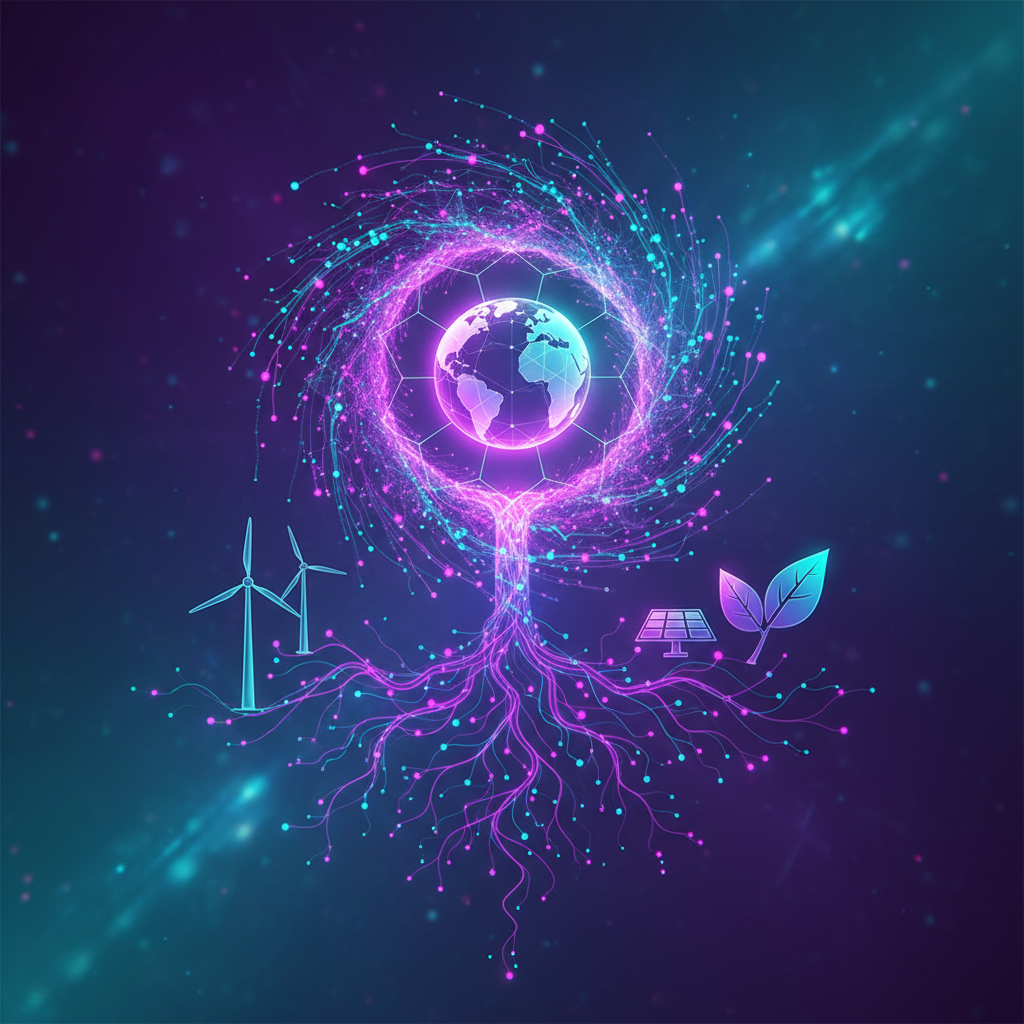
Sustainability has become one of the most important topics in the modern world because human activities are placing increasing pressure on the environment, natural resources, and future generations. As populations continue to grow and industries expand, the demand for energy, water, food, and raw materials has reached extremely high levels. While development and technology have improved human life in many ways, they have also contributed to pollution, climate change, deforestation, and the destruction of ecosystems. Sustainability is the idea of meeting present needs without harming the ability of future generations to meet their own needs. In today’s rapidly changing world, sustainability matters more than ever because it directly affects the health of the planet, the economy, and human survival itself.
One of the main reasons sustainability has become so important is climate change. The increasing use of fossil fuels such as coal, oil, and gas has caused large amounts of greenhouse gases to enter the atmosphere, leading to rising global temperatures. Climate change has already caused stronger storms, heatwaves, droughts, floods, and melting glaciers in many parts of the world. These environmental changes threaten communities, agriculture, wildlife, and water supplies. Scientists and environmental experts continue to warn that if countries fail to reduce pollution and protect natural systems, the effects of climate change could become even more dangerous in the future. Sustainability encourages cleaner energy sources, reduced emissions, and environmentally responsible practices that can help slow down global warming and protect the planet.
Another important reason sustainability matters is the protection of natural resources. Human societies depend heavily on forests, rivers, oceans, minerals, and fertile land for survival and economic growth. However, many of these resources are being overused at an alarming rate. Deforestation destroys habitats and reduces biodiversity, while excessive fishing threatens marine ecosystems. Water shortages are becoming more common in many regions due to pollution and overconsumption. Sustainability promotes responsible resource management by encouraging recycling, conservation, renewable energy, and efficient production systems. Without sustainable practices, future generations may face serious shortages of essential resources needed for life and development.
Sustainability is also closely connected to public health and quality of life. Pollution from factories, vehicles, and waste harms both the environment and human health. Dirty air contributes to respiratory diseases, while contaminated water can spread illness and infection. Climate-related disasters can also create food insecurity, displacement, and mental stress for affected populations. Sustainable living encourages cleaner cities, healthier transportation systems, safer food production, and improved environmental conditions. By investing in sustainability, societies can create healthier communities where people have access to cleaner air, safe water, and a more stable environment for living and working.
The global economy is another area where sustainability has become increasingly important. Many businesses are realizing that sustainable practices are not only good for the environment but also beneficial for long-term financial success. Companies that reduce waste, improve energy efficiency, and adopt environmentally friendly technologies often lower costs and build stronger reputations among consumers. Modern consumers are becoming more aware of environmental issues and are choosing products and services from companies that prioritize sustainability. Green industries such as renewable energy, electric vehicles, and sustainable agriculture are also creating new jobs and economic opportunities around the world. Sustainability is no longer viewed as an obstacle to growth but as a pathway toward innovation and long-term stability.
Sustainable agriculture has become especially important as the global population continues to increase. Farmers must produce enough food for billions of people while protecting soil, water, and ecosystems. Traditional farming methods that rely heavily on chemicals and excessive land use can damage the environment and reduce soil fertility over time. Sustainable farming practices focus on crop rotation, water conservation, organic methods, and reducing harmful chemicals. These approaches help maintain healthy ecosystems while ensuring food security for future generations. As climate change affects weather patterns and farming conditions, sustainable agriculture will become even more essential for feeding the world responsibly.
Technology and innovation are playing a major role in supporting sustainability efforts worldwide. Scientists and engineers are developing cleaner energy systems, smart cities, electric transportation, and environmentally friendly materials that reduce environmental damage. Solar panels, wind turbines, and battery storage technologies are becoming more efficient and affordable, allowing countries to reduce dependence on fossil fuels. Digital technologies are also helping businesses monitor energy use, reduce waste, and improve efficiency. Innovation has shown that economic progress and environmental responsibility can work together when governments, industries, and communities invest in sustainable solutions.
Education and awareness are critical in promoting sustainability across society. Many schools, universities, and organizations now teach environmental responsibility and sustainable practices to younger generations. People are becoming more conscious of their daily habits, including recycling, reducing plastic use, conserving water, and supporting ethical products. Social media and global campaigns have also increased awareness about climate change and environmental issues. When individuals understand the importance of sustainability, they are more likely to make choices that protect the environment and encourage positive change within their communities. Collective action from millions of people can have a significant impact on creating a more sustainable future.
Governments and international organizations also play an important role in advancing sustainability. Many countries have introduced policies aimed at reducing pollution, protecting wildlife, promoting renewable energy, and encouraging sustainable business practices. International agreements and environmental conferences bring nations together to address global environmental challenges collectively. However, achieving sustainability requires cooperation between governments, businesses, scientists, and ordinary citizens. Environmental problems do not stop at national borders, which means global collaboration is necessary to create effective long-term solutions for the planet.
In conclusion, sustainability matters more than ever because the choices made today will shape the future of humanity and the Earth. Climate change, resource depletion, pollution, and environmental destruction have made it clear that unsustainable practices cannot continue forever. Sustainability offers a balanced approach that supports economic growth, environmental protection, and human well-being at the same time. By adopting sustainable habits, investing in green technologies, and protecting natural systems, societies can create a healthier and more secure future for generations to come. In a world facing growing environmental challenges, sustainability is no longer simply an option or trend—it has become an essential responsibility for everyone.