
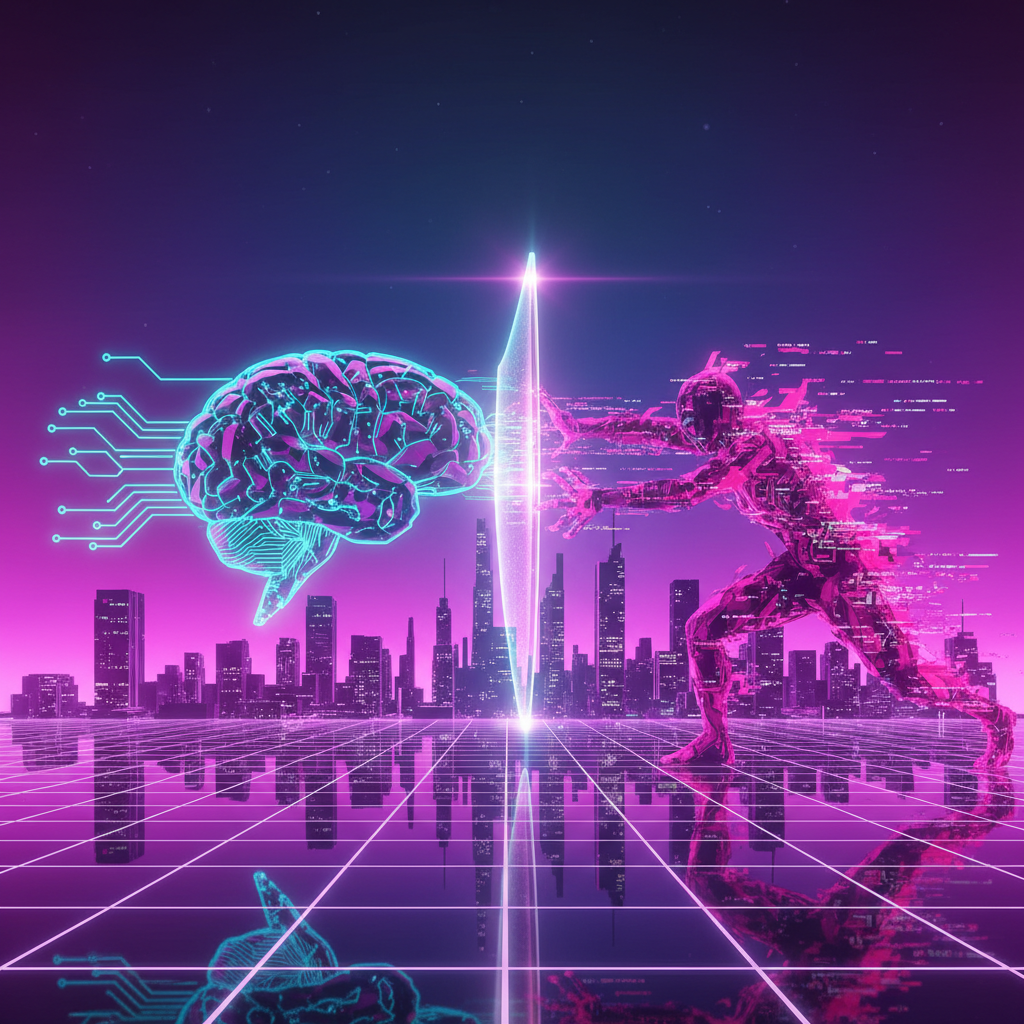
The future of cybersecurity is rapidly evolving into a high-tech battle between artificial intelligence (AI) systems and increasingly advanced hackers. As digital life expands in 2026 and beyond, almost every system—banks, hospitals, businesses, governments, and personal devices—relies on interconnected networks. This dependence creates massive opportunities for innovation, but also opens the door to more complex cyber threats. In this new digital era, cybersecurity is no longer just about firewalls and antivirus software; it is becoming an intelligent, adaptive system where AI plays a central role in both defending and attacking digital environments.
One of the most important changes in modern cybersecurity is the rise of AI-powered defense systems. Traditional security tools often rely on fixed rules and known threat patterns, but AI systems can learn from data and detect unusual behavior in real time. This means AI can identify suspicious activity even if it has never seen that type of attack before. For example, if a system suddenly detects unusual login attempts, data transfers, or user behavior, AI can immediately flag or block the activity. This ability to predict and respond quickly makes AI a powerful tool in preventing cyberattacks before they cause damage.
At the same time, hackers are also using AI to improve their attack methods, creating a constant technological arms race. Cybercriminals now use AI to automate phishing emails, generate realistic fake messages, and even create deepfake audio or video content to trick victims. AI allows hackers to scale their attacks more efficiently, targeting thousands or even millions of users at once with highly personalized messages. These AI-driven attacks are more convincing than traditional scams, making it harder for users and systems to detect them. This shift has made cybersecurity challenges more complex than ever before.
Another major development in this AI versus hacker battle is the use of machine learning for threat detection and prevention. AI systems are trained on massive datasets that include known cyberattacks, system logs, and network behavior. Over time, they become better at recognizing patterns that indicate a potential threat. This allows cybersecurity tools to respond faster than human analysts could. In many modern security operations, AI handles routine monitoring while human experts focus on analyzing complex or high-level threats. This combination improves efficiency and reduces response time during cyber incidents.
However, hackers are also adapting to these AI-based defenses. Some cybercriminals use “adversarial AI techniques” to trick security systems by feeding them misleading data. Others design malware that can change its behavior dynamically to avoid detection. This creates a situation where both attackers and defenders are constantly upgrading their tools to stay ahead of each other. The cybersecurity landscape is becoming more dynamic, where success depends on speed, intelligence, and continuous adaptation rather than static protection methods.
AI is also transforming incident response in cybersecurity. When a cyberattack occurs, AI systems can quickly isolate affected devices, shut down compromised accounts, and begin recovery processes automatically. This reduces damage and prevents the spread of attacks across networks. In large organizations, AI can analyze thousands of logs and data points within seconds to identify the source of an attack. This level of speed and accuracy would be impossible for human teams alone, making AI a critical part of modern cyber defense strategies.
On the other hand, the increasing reliance on AI also introduces new risks. If AI systems are not properly designed or secured, they themselves can become targets for hackers. A compromised AI system could lead to incorrect decisions, security failures, or even system-wide disruptions. Additionally, overdependence on automation may reduce human oversight, which is still essential for understanding complex or unpredictable cyber threats. This means the future of cybersecurity will require a careful balance between automation and human intelligence.
Another important aspect of the future is predictive cybersecurity, where AI not only reacts to threats but also anticipates them before they happen. By analyzing global attack patterns, system behavior, and emerging vulnerabilities, AI can forecast potential risks and recommend preventive measures. This proactive approach represents a major shift from traditional reactive security methods. Instead of responding after an attack occurs, systems will increasingly work to prevent attacks from ever happening in the first place.
The growing importance of cybersecurity has also increased demand for skilled professionals who understand both AI and security systems. Future cybersecurity experts will need to work alongside AI tools, interpret their outputs, and make strategic decisions based on data-driven insights. This collaboration between humans and machines will be essential in managing increasingly complex cyber environments. Education and training in cybersecurity are already evolving to include AI, data science, and machine learning concepts.
In conclusion, the future of cybersecurity is shaped by an ongoing battle between AI-driven defense systems and AI-enhanced cyber attackers. While AI offers powerful tools for detecting, preventing, and responding to threats, hackers are also using the same technology to develop more advanced attacks. This creates a constantly evolving digital battlefield where adaptation and intelligence are key. The future will not be about eliminating cyber threats completely but about staying one step ahead through innovation, awareness, and collaboration between human experts and artificial intelligence.